




Linterna Seitz Mike Light 3 con LEDs verdes NVIS A: linterna manos libres de especificaciones militares
1827
Beneficios
Beneficios
Shipping & Delivery
Shipping & Delivery
Devoluciones
Devoluciones
La Seitz Mike Light 3 NVIS Green A LEDs es una linterna de aviación de manos libres y de especificación militar diseñada para conectarse a cualquier auricular o micrófono de casco, brindando una iluminación segura y amigable con la visión nocturna para los pilotos durante vuelos nocturnos.
Esta luz de cabina manos libres cuenta con un revolucionario interruptor activado con la lengua que permite a los pilotos controlar la iluminación sin quitar las manos de los controles de vuelo ni comprometer la seguridad operativa.
Compatibilidad y confiabilidad de la visión nocturna
Al buscar la mejor linterna para pilotos de vuelo nocturno, los profesionales de la aviación eligen constantemente esta linterna de aviación de especificaciones militares por su compatibilidad con el Sistema de Imágenes de Visión Nocturna (NVIS). Los LED verdes especializados, compatibles con la visión nocturna, preservan la visión nocturna natural a la vez que proporcionan suficiente iluminación para leer cartas e instrumentos con claridad. Alimentada por dos pilas AA, esta luz de micrófono para piloto ofrece un rendimiento fiable durante operaciones nocturnas prolongadas, lo que la convierte en un equipo esencial para pilotos comerciales, militares e instructores de vuelo.
Ajuste universal y durabilidad
Lo que distingue a esta luz piloto verde NVIS es su diseño universal, compatible con prácticamente cualquier configuración de auriculares o micrófonos de casco de aviación. Su diseño robusto cumple con rigurosos estándares militares de durabilidad y seguridad, lo que le ha valido la designación de Número de Stock de la OTAN (NSN 6240-01-362-4902). Ya sea para realizar inspecciones prevuelo, revisar cartas de navegación o realizar procedimientos en cabina, este equipo de seguridad aérea proporciona iluminación manos libres justo donde los pilotos más la necesitan. El brillo, cuidadosamente calibrado, garantiza una lectura óptima de las cartas sin el deslumbramiento intenso que dificulta la visión nocturna o crea distracciones peligrosas en la cabina durante las fases críticas del vuelo.
Mantén tu visión nocturna y un control total con las manos libres con el Seitz Mike Light 3. Sus LED NVIS Green A de especificación militar y su exclusivo interruptor de activación por la lengua garantizan vuelos nocturnos más seguros y sin distracciones. ¡Equipa tu cabina ya!
Frequently Asked Questions
What microphones and headsets does the Mike Light 3 fit?
Its universal construction is made to fit virtually any aviation headset or helmet microphone, so it works on standard aviation headsets and on flight helmet setups alike. The light mounts to the microphone boom near your mouth, where it can aim illumination at your charts and instruments. If you have an unusual microphone style, confirm fit before ordering.
How do you control the Mike Light, and is it really hands-free?
You operate it with a tongue-activated switch, so you never take your hands off the flight controls or interrupt cockpit tasks. This hands-free control is the core design feature, letting you light a chart or instrument and turn the beam off again without reaching for a separate flashlight during night operations.
What does NVIS Green mean, and why is green good for night flying?
NVIS stands for Night Vision Imaging System. The Mike Light 3 uses night-vision-friendly green LEDs that are compatible with night vision equipment and help preserve your natural dark adaptation. Green light at low output lets you read charts and instruments clearly without the harsh glare that brighter white light can cause in a dark cockpit.
Is the Mike Light 3 compatible with night vision goggles?
Yes. The NVIS Green LEDs are designed for Night Vision Imaging System compatibility, so the light works alongside night vision goggles and devices without overwhelming them. The green wavelength and calibrated low output let you read inside the cockpit while keeping the cabin friendly to night vision gear used in demanding aviation environments.
How many LEDs does the Mike Light 3 have, and what does the 3 mean?
The 3 in the name refers to its three NVIS Green A LEDs. This three-LED array produces the steady green beam used to read charts and instruments. The green A configuration is the night-vision-friendly setup, chosen so the light works alongside night vision gear while preserving your dark adaptation during night flights in the cockpit.
What batteries does the Mike Light 3 use, and are they included?
It runs on two standard AA batteries, which makes power easy to replace and maintain in the field. Plan to confirm whether cells are included before your first flight and keep spares on hand. AA batteries are inexpensive and widely available almost anywhere you fly, so the light stays dependable through long night sessions.
Can I use a 9 volt battery instead of AA cells?
No. The Mike Light 3 is designed to run on two AA batteries, not a 9 volt battery. Using a battery outside the intended type and voltage can harm the unit, so stick with standard AA cells. Keeping the light on its specified AA power protects the LEDs and circuitry during extended night use.
Will the Mike Light 3 interfere with my microphone?
It is designed to mount on the microphone and work alongside it, so your radio and intercom communication stays the focus of the mic while the light handles illumination. The calibrated green beam is aimed at your charts and instruments, helping keep stray light out of your eyes and clear of the cockpit during night flight.
Is the Mike Light 3 military spec, and does it have an NSN?
Yes. It is built to military specifications for durability and reliability and carries the NATO Stock Number NSN 6240-01-362-4902. Its manufacturer part number is ML-8. This rugged, military-spec construction is why it is trusted by commercial aviators, military personnel, and flight instructors for night-flying use in demanding conditions.
What do pilots use the Mike Light 3 for in the cockpit?
Pilots use it for hands-free cockpit lighting during night flights, including reading navigation charts, checking instruments and gauges, and running cockpit procedures or pre-flight inspections. The steady, calibrated green beam gives enough light to read clearly while preserving night vision, so you keep both hands on the controls during critical phases of flight.
Why does the green light seem dim, and can I make it brighter?
The green output is intentionally low to preserve night vision and avoid glare, so it can look dim next to a white flashlight. Fresh AA batteries give the brightest, most consistent green light, so replace cells that are running low. The calibrated brightness is meant for reading charts in darkness, not for general flood lighting.
-
 OfertaProveedor:Aviation-Press
Todo lo que se explica para el piloto profesional – 15.ª edición: el recurso de aviación definitivo
Precio habitual $51.99Precio de oferta $51.99 Precio habitualPrecio unitario por$59.95 -
 OfertaProveedor:MJ Modica Products Co
Dispositivo limitador de visión IFR de Blockalls: La evolución del entrenamiento de vuelo por instrumentos
Precio habitual $22.49Precio de oferta $22.49 Precio habitualPrecio unitario por$26.95 -
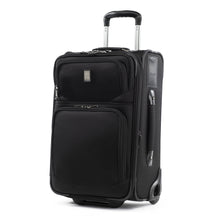 OfertaProveedor:Travelpro
Maleta con ruedas extensible Travelpro FlightCrew5 de 22": Equipaje duradero para profesionales de la aviación
Precio habitual $209.00Precio de oferta $209.00 Precio habitualPrecio unitario por$330.00 -
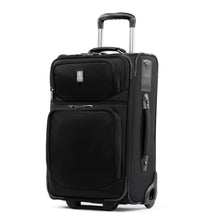 OfertaProveedor:Travelpro
Maleta con ruedas Travelpro FlightCrew5 de 22": Equipaje duradero para profesionales de la aviación
Precio habitual $199.00Precio de oferta $199.00 Precio habitualPrecio unitario por$310.00 -
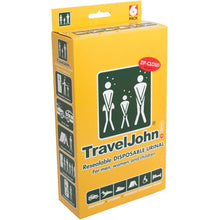 OfertaProveedor:TravelJohn
Urinario desechable resellable TravelJohn con tecnología de gel Liqsorb (TJ1N-C) - Paquete de 6
Precio habitual $16.99Precio de oferta $16.99 Precio habitualPrecio unitario por$19.99 -
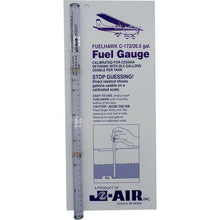 OfertaProveedor:FuelHawk
Medidores de combustible de precisión para aeronaves FuelHawk
Precio habitual A partir de $12.95Precio de oferta A partir de $12.95 Precio habitualPrecio unitario por$14.95 -
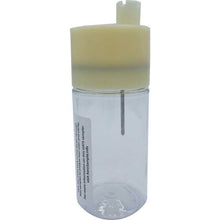 OfertaProveedor:Aviation Specialties
Probador de combustible para aeronaves ecológico GATS Jar de Aviation Specialties con separador
Precio habitual $19.99Precio de oferta $19.99 Precio habitualPrecio unitario por$24.95 -
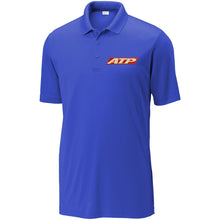 Proveedor:Airline Transport Professionals
Polo unisex Dri-Fit que absorbe la humedad de la Escuela de Vuelo ATP
Precio habitual $16.99Precio de oferta $16.99 Precio habitualPrecio unitario por -
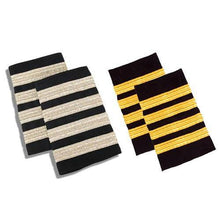 OfertaProveedor:PilotMall.com
Charreteras Premium: Hombreras tradicionales para aviadores
Precio habitual A partir de $9.99Precio de oferta A partir de $9.99 Precio habitualPrecio unitario por$20.00 -
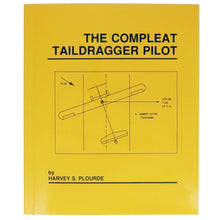 OfertaProveedor:Plourde
Harvey Plourde, el piloto completo del Taildragger
Precio habitual $24.99Precio de oferta $24.99 Precio habitualPrecio unitario por$27.95


-
 Envío GRATIS a EE. UU. (en pedidos de $100 o más)¡Ahorre en el envío de salida!
 -
 4.8/5 EstrellasRevisado por más de 26.000 pilotos colegas
 -
 Expert Pilot SupportEquipos probados por pilotos reales
 -
SE ENVÍA HOY (Haz tu pedido antes de las 3 p. m. ET)Get It Faster!
- Al seleccionar una opción, se actualiza toda la página.
- Se abre en una nueva ventana.