




-
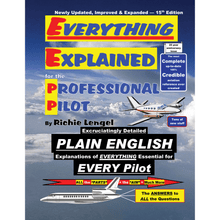 OfertaProveedor:Aviation-Press
Todo lo que se explica para el piloto profesional – 15.ª edición: el recurso de aviación definitivo
Precio habitual $51.99Precio de oferta $51.99 Precio habitualPrecio unitario por$59.95 -
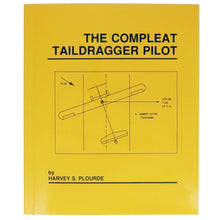 OfertaProveedor:Plourde
Harvey Plourde, el piloto completo del Taildragger
Precio habitual $24.99Precio de oferta $24.99 Precio habitualPrecio unitario por$27.95 -
Recién salido del hangar
Lo último de las mejores marcas de aviación. -
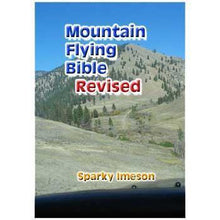 OfertaProveedor:Mountain Flying
La Biblia del Vuelo en Montaña de Sparky Imeson: Domina las Técnicas de Vuelo en Montaña
Precio habitual $41.99Precio de oferta $41.99 Precio habitualPrecio unitario por$42.95 -
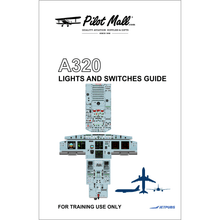 OfertaProveedor:JETPUBS
Guía completa de luces e interruptores para familiarizarse con la cabina
Precio habitual $89.99Precio de oferta $89.99 Precio habitualPrecio unitario por$99.95 -
 OfertaProveedor:ASA
Derecho práctico de la aviación y aeroespacial de la ASA: octava edición
Precio habitual $47.99Precio de oferta $47.99 Precio habitualPrecio unitario por$49.95 -
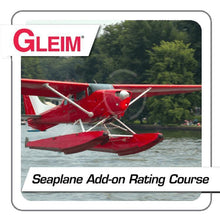 OfertaProveedor:Gleim
Curso complementario de calificación de hidroaviones en línea de Gleim: Domine el vuelo acuático
Precio habitual $41.99Precio de oferta $41.99 Precio habitualPrecio unitario por$44.95
Advanced pilot training: specialty skills beyond your certificate
Earning the private, instrument, or commercial certificate proves you can fly the standard mission. Advanced training is about everything outside it: handling a taildragger, judging mountain terrain, operating from water, learning a new panel, or sharpening the professional knowledge that keeps a career pilot ahead of the airplane. Some of these skills lead to a formal endorsement or add-on rating, while others simply make you a safer, more capable aviator. The titles below cover the four specialty skills our customers ask about most, plus two professional reference works that earn a permanent place on the shelf.
Compare the specialty training titles
| Title | Skill it builds | Format | Best for |
|---|---|---|---|
| The Compleat Taildragger Pilot | Conventional-gear and stick-and-rudder technique | Book | Pilots preparing for a tailwheel endorsement |
| Mountain Flying Bible | High-density-altitude, terrain, and confined-area flying | Book | Pilots heading into mountain or backcountry country |
| Gleim Online Seaplane Add-On Rating Course | Single-Engine Sea add-on rating knowledge | Online course | Pilots pursuing a seaplane rating |
| Complete Lights and Switches Guide | Cockpit and systems familiarization | Reference guide | Pilots transitioning to a new airplane or panel |
Types of advanced training materials
Tailwheel and stick-and-rudder
Conventional-gear airplanes demand precise rudder work and energy management on every takeoff and landing. The Compleat Taildragger Pilot by Harvey Plourde is a classic on the technique and judgment behind a tailwheel endorsement, and it pairs well with dual instruction in a taildragger.
Mountain and backcountry flying
Mountain operations add density altitude, downdrafts, terrain illusions, and short, sloped strips to the equation. Sparky Imeson's Mountain Flying Bible is the long-standing reference for pilots venturing into high terrain, and it lays the groundwork for adjacent backcountry and STOL training you may pursue with an instructor.
Seaplane add-on rating
A seaplane rating is a separate Single-Engine Sea add-on, with its own water-handling, sailing, and docking skills. The Gleim Online Seaplane Add-On Rating Course covers the knowledge side so you arrive at your float training ready to focus on flying.
Cockpit familiarization and professional reference
Stepping into an unfamiliar airplane means learning a new panel fast. The Complete Lights and Switches Guide from JETPUBS speeds up cockpit familiarization, while Everything Explained for the Professional Pilot and ASA's Practical Aviation and Aerospace Law round out the reference library every advancing pilot should own.
Brands we carry
This collection brings together respected aviation publishers and course providers, including Aviation-Press (Harvey Plourde), Mountain Flying Press (Sparky Imeson), Gleim Aviation, JETPUBS, and ASA. Each title is chosen for its reputation among working pilots and instructors rather than for breadth alone.
How to choose your next advanced training material
Start with the airplane or environment you want to add. If you are moving into a taildragger, lead with the tailwheel title and book dual instruction toward the endorsement. If your flying is taking you into high terrain, start with mountain technique before you ever launch. Pursuing a seaplane rating means choosing the online add-on course to handle the knowledge before float time. If you are simply transitioning to a new panel, the cockpit familiarization guide gets you comfortable faster. Keep the professional reference titles on hand as you grow, and anchor every new skill in the rules with Federal Aviation Regulations for Pilots. When you are ready for the next certificate or career step, the Multi-Engine Rating Training Materials are a logical add-on, and Professional Pilot Training Materials carry you toward the airlines.
Why buy from Pilot Mall
- Aviation only: we sell pilot gear and training materials and nothing else, so our team understands the skills behind every title.
- Curated, not padded: these are the specialty and reference works pilots and instructors actually recommend.
- Trusted for 25-plus years: thousands of pilots rely on Pilot Mall for training materials and cockpit equipment.
- Free U.S. shipping over $100: stock your advanced training library and qualify with ease.
- Expert guidance: talk to people who fly before you buy.
Frequently Asked Questions
Do you need a tailwheel endorsement, and how many hours does it take?
Yes, FAR 61.31(i) requires a tailwheel endorsement to act as pilot in command of a conventional-gear airplane. There is no FAA minimum hour requirement and no checkride; it is proficiency-based, commonly taking eight to fifteen flight hours, and once earned the one-time endorsement does not expire.
What is the difference between a rating and an endorsement?
A rating, such as Single-Engine Sea or multi-engine, is added to your certificate and usually requires training, a knowledge or practical test, and an FAA record. An endorsement, such as tailwheel or high-performance, is a logbook sign-off from an instructor that authorizes a specific privilege without a separate checkride.
How do you get a seaplane single-engine sea add-on rating?
You complete float training with a seaplane instructor covering water handling, sailing, docking, and confined-area work, then pass a practical test to add the Single-Engine Sea rating to your certificate. Studying the knowledge first, such as with the Gleim online course, lets you spend float time flying rather than learning theory.
What advanced training should a pilot pursue after the private pilot certificate?
Common next steps include the instrument rating, a tailwheel endorsement, mountain flying training, or specialty add-ons like seaplane. The right choice depends on what and where you want to fly. Many pilots also pursue upset recovery or spin training to sharpen handling and confidence beyond the standard syllabus.
Do you need aerobatic training for an upset recovery or spin endorsement?
Aerobatic, spin, and upset-recovery courses are flown with a qualified instructor in an approved airplane and typically recommend that you already hold at least a Private Pilot certificate. They build unusual-attitude recovery skills and confidence, and study materials in this collection help prepare the knowledge side before you fly the maneuvers.
