




-
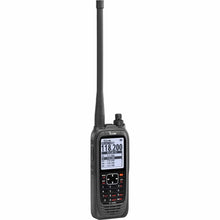 OfertaProveedor:Icom
Transceptor Icom IC-A25C-S Sport Com Only: Radio de aviación portátil
Precio habitual $369.00Precio de oferta $369.00 Precio habitualPrecio unitario por$580.00 -
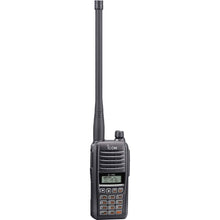 OfertaProveedor:Icom
Transceptor Icom IC-A16B Com Only: Radio de aviación portátil con Bluetooth
Precio habitual $399.95Precio de oferta $399.95 Precio habitualPrecio unitario por$658.90 -

Recién salido del hangar
Lo último de las mejores marcas de aviación. -
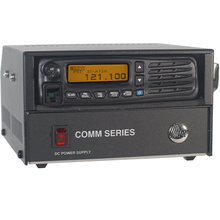 OfertaProveedor:Icom
Transceptor de banda aérea VHF Icom IC-A120B - Estación base
Precio habitual $1,449.95Precio de oferta $1,449.95 Precio habitualPrecio unitario por$2,099.00 -
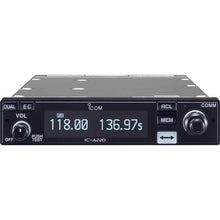 OfertaProveedor:Icom
Transceptor VHF de banda aérea Icom IC-A220 para montaje en panel con pantalla OLED
Precio habitual $1,449.95Precio de oferta $1,449.95 Precio habitualPrecio unitario por$2,530.00 -
 OfertaProveedor:Icom
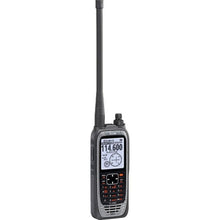
Transceptor de navegación/comunicación Icom IC-A25N: radio de aviación portátil con Bluetooth
Precio habitual $599.95Precio de oferta $599.95 Precio habitualPrecio unitario por$1,049.40 -
 OfertaProveedor:Icom
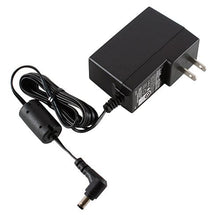
Adaptador de CA Icom BC-123SA - 100-240 VCA enchufe estadounidense, 12 VCC a 1 A
Precio habitual $29.95Precio de oferta $29.95 Precio habitualPrecio unitario por$49.95 -
 OfertaProveedor:Icom
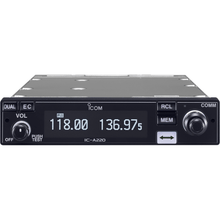
Transceptor de banda aérea VHF de montaje en panel Icom A220T TSO'd con pantalla OLED (8,33/25 kHz)
Precio habitual $2,199.00Precio de oferta $2,199.00 Precio habitualPrecio unitario por$3,499.00 -
 OfertaProveedor:Yaesu
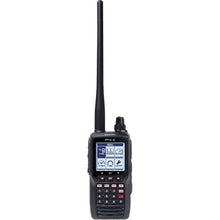
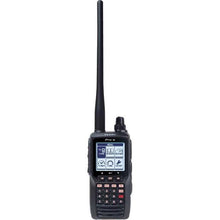
Transceptor Yaesu FTA-550AA Nav/Com: Radio de aviación portátil con pilas AA
Precio habitual $234.99Precio de oferta $234.99 Precio habitualPrecio unitario por$380.00 -
 OfertaProveedor:Yaesu
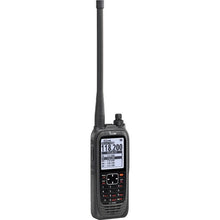
Transceptor de navegación/comunicación Yaesu FTA-550L: radio de aviación portátil
Precio habitual $359.95Precio de oferta $359.95 Precio habitualPrecio unitario por$580.00 -
 OfertaProveedor:Icom
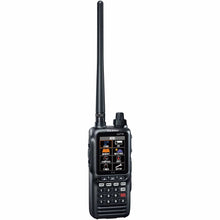
Transceptor Icom IC-A25C solo comunicación: radio de aviación portátil
Precio habitual $549.95Precio de oferta $549.95 Precio habitualPrecio unitario por$988.90 -
 OfertaProveedor:Yaesu
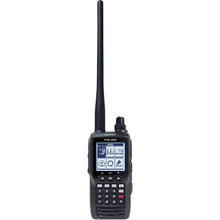
Yaesu FTA-850AA - Transceptor portátil de banda aérea de 6 W (versión con batería AA)
Precio habitual $349.95Precio de oferta $349.95 Precio habitualPrecio unitario por$550.00 -
 OfertaProveedor:Yaesu
Transceptor Yaesu FTA-450L Com Only: Radio de aviación portátil
Precio habitual $245.95Precio de oferta $245.95 Precio habitualPrecio unitario por$460.00 -
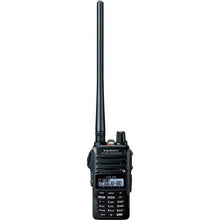 OfertaProveedor:Yaesu
Transceptor Yaesu FTA-250L Com Only: Radio de aviación portátil
Precio habitual $239.95Precio de oferta $239.95 Precio habitualPrecio unitario por$380.00 -
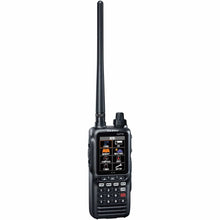 OfertaProveedor:Yaesu
Transceptor de navegación/comunicación Yaesu FTA-850L: radio de aviación portátil con Bluetooth y GPS
Precio habitual $519.95Precio de oferta $519.95 Precio habitualPrecio unitario por$840.00
Aviation radios and transceivers: your cockpit communication hub
An aviation radio, or transceiver, sends and receives voice on the VHF airband so you can talk to air traffic control, ground stations, and nearby traffic. The airband runs from 118.0 to 136.975 MHz and is line-of-sight, which is why antenna height and altitude matter more than raw power. Pilots buy radios in four shapes: handheld units carried in a flight bag, panel-mount radios wired into the aircraft, base stations for the FBO or flight school, and the accessories that connect them. Pilot Mall stocks Icom and Yaesu transceivers across every category, and because we are an authorized dealer of both brands, each unit arrives brand new with its complete factory warranty. The guide below maps each live model to how and where you fly.
Compare aviation radios at a glance
| Radio | Type | Best for | Notable feature |
|---|---|---|---|
| Icom IC-A25C | Handheld COM-only | Student and VFR pilots who want voice only | Simple Icom interface, large display |
| Icom IC-A25C-S Sport | Handheld COM-only | Pilots wanting an entry COM-only Icom | Sport package, COM-only |
| Icom IC-A16B | Handheld COM-only | COM-only pilots who want wireless audio | Bluetooth headset pairing |
| Icom IC-A25N | Handheld NAV/COM | IFR backup and cross-country navigation | VOR/ILS plus Bluetooth and GPS |
| Yaesu FTA-250L | Handheld COM-only | Budget-minded student and VFR pilots | Lithium-ion rechargeable, COM-only |
| Yaesu FTA-450L | Handheld COM-only | COM-only pilots wanting more memory and features | Lithium-ion rechargeable |
| Yaesu FTA-550L | Handheld NAV/COM | Pilots who want NAV/COM with rechargeable power | VOR/ILS, lithium-ion |
| Yaesu FTA-550AA | Handheld NAV/COM | Pilots who want AA-battery backup convenience | VOR/ILS, AA battery tray |
| Yaesu FTA-850L | Handheld NAV/COM with GPS | Traveling and remote pilots wanting the top handheld | Bluetooth and GPS, color display |
| Yaesu FTA-850AA | Handheld NAV/COM | Pilots who want maximum transmit power on AA cells | 6W air-band output, AA battery tray |
| Icom IC-A220 | Panel-mount | Experimental and light-sport panels | OLED display |
| Icom A220T | Panel-mount, TSO'd | Certified aircraft installations | TSO'd, 8.33/25 kHz spacing, OLED |
Click any product for current pricing. For ground-station use, the Icom IC-A120B base station handles FBO and flight-school dispatch, and the Icom BC-123SA AC adapter keeps a compatible handheld charged at the desk.
Types of aviation radios
Handheld COM-only radios
A COM-only handheld transmits and receives voice on the VHF airband and nothing else, which keeps it simple and affordable. It is the most common first radio for student and VFR pilots and a reliable backup if the panel com fails. The Icom IC-A25C, Icom IC-A16B with Bluetooth, Yaesu FTA-250L, and Yaesu FTA-450L all fall in this group. Shop the full handheld aviation radio lineup to compare them side by side.
Handheld NAV/COM radios
A NAV/COM handheld adds navigation to voice communication, receiving VOR and ILS so you can fly a radial or track a localizer with a portable in hand. The Bluetooth Icom IC-A25N and the Yaesu FTA-550L and FTA-550AA cover the mid-range, while the Yaesu FTA-850L tops it off with built-in GPS and the Yaesu FTA-850AA delivers 6 watts of air-band output on AA cells.
Panel-mount and base station radios
Panel-mount radios wire permanently into the aircraft and draw aircraft power. The Icom IC-A220 suits experimental and light-sport panels, while the TSO'd Icom A220T with 8.33 and 25 kHz channel spacing is built for certified installations. For the ground, the Icom IC-A120B base station serves FBOs and flight schools. Browse the complete panel mount radio and base station collection for fixed-station options.
Top brands: Icom and Yaesu
Pilot Mall carries two trusted aviation radio brands. Icom is known for a clean, intuitive interface that pilots learn quickly, and its handheld and panel-mount line shares a consistent menu approach. The full range lives in our Icom aviation radio collection, and our guide to the Icom A25 radios and the differences between the models breaks down the IC-A25 family. Yaesu offers deeper feature sets, color displays, and options like built-in GPS on the FTA-850L and a 6-watt output on the FTA-850AA, with a choice of lithium-ion or AA-battery models across the FTA line. Both brands build durable, water-resistant radios designed for the cockpit.
How to choose the right aviation radio
- Start with COM-only or NAV/COM. If you only need to talk, a COM-only handheld like the Yaesu FTA-250L keeps it simple; if you want VOR and ILS navigation backup, choose a NAV/COM such as the Icom IC-A25N or the GPS-equipped Yaesu FTA-850L.
- Decide handheld, panel-mount, or base. Handhelds travel and serve as backups, panel-mount radios like the Icom A220T wire into the aircraft for primary use, and a base station fits an FBO or flight school.
- Pick a battery strategy. Lithium-ion models recharge for everyday flying, while an AA-battery tray version like the Yaesu FTA-550AA lets you swap in fresh cells anywhere, which many pilots value in a true emergency backup.
- Add a headset adapter. A handheld speaker is hard to hear over engine noise, so plan on a headset adapter to route radio audio through your aviation headset in flight.
- Match it to the rest of your panel. If you also want moving-map navigation and weather, pair a radio with a portable unit from our aviation GPS and ADS-B collection.
Still deciding between brands and models? Our complete handheld radio buyer's guide compares Icom and Yaesu head to head, and the complete guide to aircraft radios and communication etiquette walks through using one on frequency.
Why buy from Pilot Mall
- Authorized Icom and Yaesu dealer: genuine product and the full manufacturer warranty on every transceiver.
- Aviation only: we sell pilot gear and nothing else, so our team knows airband radios, frequencies, and headset adapters.
- Trusted for more than 25 years by student, recreational, and professional pilots.
- Free U.S. shipping over $100: most aviation radios qualify.
- Expert guidance from a team that flies, before and after your purchase.
Frequently Asked Questions
Do you need a license to use a handheld aviation radio?
For domestic flying in the United States, two-way VHF aircraft radios are licensed by rule, so you do not need a separate FCC station license to transmit on the airband. If you operate internationally, the FCC requires an Aircraft Radio Station License and a Restricted Radiotelephone Operator Permit before you fly.
What is the difference between a COM-only and a NAV/COM aviation radio?
A COM-only radio transmits and receives voice on the VHF airband and nothing more, which keeps it simple and affordable. A NAV/COM radio adds navigation receivers for VOR and ILS, letting you track a radial or fly a localizer, and top models like the Yaesu FTA-850L also include built-in GPS.
What frequencies do aviation radios use?
Aviation radios operate on the VHF airband, which runs from 118.0 to 136.975 MHz for civil air traffic control, ground, and traffic communication. The band is line-of-sight, so range depends on altitude and antenna height. The frequency 121.5 MHz is reserved worldwide as the emergency, or guard, channel.
How far can a handheld aviation radio transmit?
Because VHF airband communication is line-of-sight, range depends far more on altitude than on power. On the ground a handheld may only reach a few miles, while at altitude with a clear path the same radio can reach ground stations and aircraft dozens of miles away. An external antenna extends usable range.
Can a handheld radio be used as a backup for a panel radio?
Yes. A handheld aviation radio is the most common backup for a panel com, letting you keep talking to ATC if you lose electrical power or your installed radio fails. Many pilots carry an AA-battery model so they can swap in fresh cells, and a headset adapter makes it usable over cockpit noise.
Is Icom or Yaesu better for aviation handheld radios?
Neither is universally better; the right choice depends on what you value. Icom is known for a clean, intuitive interface that pilots learn quickly, while Yaesu offers deeper feature sets, color displays, and options like built-in GPS and 6-watt output. Compare both in our handheld radio buyer's guide before deciding.
