




-
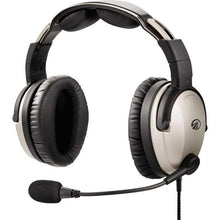 Vendor:Lightspeed
Lightspeed Zulu 3 Premium ANR Bluetooth Aviation Headset
Regular price $949.00Sale price $949.00 Regular priceUnit price per -
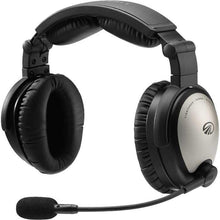 Vendor:Lightspeed
Lightspeed Sierra ANR Bluetooth Aviation Headset
Regular price $749.00Sale price $749.00 Regular priceUnit price per -

Fresh from The Hangar
The latest from top aviation brands. -
 NewVendor:Lightspeed
Lightspeed Zulu 4 ANR Headset - Battery Powered (Dual GA Plugs)
Regular price $1,099.00Sale price $1,099.00 Regular priceUnit price per -
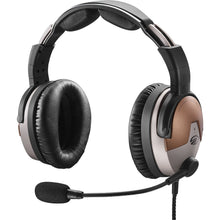 Vendor:Lightspeed
Lightspeed Delta Zulu Ultimate ANR Bluetooth Aviation Headset with Safety Features
Regular price $1,299.00Sale price $1,299.00 Regular priceUnit price per -
 NewVendor:Lightspeed
Lightspeed Zulu 4 ANR Headset - Helicopter (U-174 Plug)
Regular price $1,099.00Sale price $1,099.00 Regular priceUnit price per -
 NewVendor:Lightspeed
Lightspeed Zulu 4 ANR Headset - Panel Power (LEMO 6-Pin)
Regular price $1,099.00Sale price $1,099.00 Regular priceUnit price per -
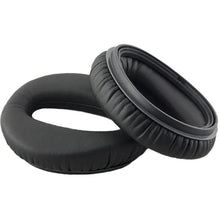 SaleNewVendor:Lightspeed
Lightspeed Performance Replacement Ear Seals
Regular price $38.00Sale price $38.00 Regular priceUnit price per$40.00


Lightspeed aviation headsets: comfort-first ANR for every cockpit
Lightspeed Aviation has spent decades focused on one idea: keep pilots comfortable and less fatigued so they can fly longer with less stress. That shows up as lightweight headsets, deep active noise reduction (ANR), and Bluetooth audio across a lineup that runs from the student-friendly Sierra to the safety-focused Delta Zulu flagship. Pilot Mall is an authorized Lightspeed Aviation dealer, so every headset here is genuine and backed by the longest manufacturer warranty in the aviation headset industry. The right model comes down to how you fly, your aircraft's plug type, and how much you value extra safety technology.
Compare the Lightspeed lineup at a glance
| Model | ANR and tech | Best for | Plug and power |
|---|---|---|---|
| Lightspeed Delta Zulu | Deepest ANR plus carbon monoxide alerting and HearingEQity audio | Pilots who want maximum safety technology | Rechargeable with AA backup; Bluetooth |
| Lightspeed Zulu 4 (Dual GA plug) | Pro-grade ANR, rugged magnesium and stainless build | Most piston general aviation aircraft | Dual GA plug, battery powered; Bluetooth |
| Lightspeed Zulu 4 (LEMO panel power) | Pro-grade ANR, no in-flight battery swaps | Aircraft with panel-powered headset jacks | LEMO 6-pin aircraft power; Bluetooth |
| Lightspeed Zulu 4 (U-174 helicopter) | Pro-grade ANR for rotorcraft intercoms | Helicopter and rotorcraft pilots | U-174 helicopter plug, battery powered; Bluetooth |
| Lightspeed Zulu 3 | Proven ANR, durable build, Bluetooth audio | CFIs and pilots who want a reliable all-rounder | Dual GA plug, battery powered; Bluetooth |
| Lightspeed Sierra | Entry ANR with Bluetooth at the most accessible point | Student pilots and renters buying a first ANR headset | Dual GA plug, battery powered; Bluetooth |
Click any product for current pricing.
The Lightspeed models, from first ANR to flagship
Lightspeed Sierra
The Sierra is the most accessible way into the Lightspeed family and a popular first ANR headset for student pilots and renters. It pairs fiber-reinforced polymer construction with active noise reduction and Bluetooth audio, so you get the core Lightspeed experience without stepping up to the premium lines. For pilots moving up from a passive headset, the Sierra is a meaningful jump in cockpit quiet and comfort.
Lightspeed Zulu 3
The Zulu 3 is a longtime CFI favorite and a proven all-rounder. It steps up the active noise reduction and adds Lightspeed's magnesium ear cups, stainless steel headband, and Kevlar-core cable for a build that survives daily training use. Bluetooth audio and a comfortable long-wear fit make it a dependable choice for instructors logging high hours week after week.
Lightspeed Zulu 4
The Zulu 4 carries Lightspeed's pro-grade, deep active noise reduction in a rugged package, and it comes in three plug versions so it fits almost any cockpit: dual GA plug for most piston aircraft, LEMO 6-pin panel power for aircraft with powered headset jacks, and a U-174 helicopter version for rotorcraft. It keeps Bluetooth and the FlightLink-compatible features that make the Zulu line so versatile.
Lightspeed Delta Zulu
The Delta Zulu is the flagship and the only model in the lineup with built-in safety technology. On top of Lightspeed's deepest active noise reduction, it adds carbon monoxide monitoring with audible alerts and HearingEQity, a personalized audio profile that tunes the sound to your own hearing. Bluetooth and a rechargeable battery with an AA backup option round out a headset built for pilots who want the most capability in one place.
Lightspeed features that matter in the cockpit
Bluetooth and ComPriority audio
Every current Lightspeed headset includes Bluetooth so you can take phone calls, hear app alerts, and stream music or charts audio. ComPriority automatically lowers that music and app audio when radio or intercom traffic comes through, so you never miss an instruction from ATC while listening to something else.
FlightLink in-flight recorder
The free FlightLink app records cockpit audio in flight, letting you replay an ATC clearance, a frequency, or a tricky readback after you land. It is a useful training and review tool that pairs with Bluetooth-equipped Lightspeed headsets.
Build, comfort, and the right seat
Lightspeed builds for long-wear comfort, with low clamping force and plush ear seals that hold up across long instructional days. A reversible microphone lets you set the boom for either seat, which matters for CFIs and anyone flying right-seat. Keep any model performing with fresh replacement ear seals and headset hygiene and comfort kits.
How to choose the right Lightspeed headset
- Match the plug to your aircraft: choose a dual GA plug for most piston aircraft, the LEMO 6-pin for panel-powered jacks so there are no batteries to manage, and the U-174 for helicopters.
- Weigh your cockpit noise: louder piston cabins reward the deeper ANR of the Zulu 4 and Delta Zulu, while the Sierra is plenty for many trainers.
- Count your monthly hours: high-hour pilots and CFIs lean toward the durable Zulu 3 and Zulu 4; occasional flyers do well with the Sierra.
- Decide how much safety tech you want: only the Delta Zulu adds carbon monoxide alerting and HearingEQity personalized audio.
- Plan for upkeep: budget for replacement ear seals as a normal consumable to keep comfort and noise sealing fresh.
Still comparing brands or technology types? Our aviation headset buyer's guide covers how Lightspeed stacks up against Bose and David Clark, or compare the Bose lineup, browse every ANR headset we carry, find parts in headset accessories, and see the full aviation headsets collection.
Why buy from Pilot Mall
- Authorized Lightspeed Aviation dealer: genuine product backed by the longest manufacturer warranty in the aviation headset industry.
- Aviation only: we sell pilot gear and nothing else, so our team knows headsets, plug types, and panels.
- Trusted for more than 25 years by student, recreational, and professional pilots.
- Free U.S. shipping over $100: every Lightspeed headset qualifies.
- Expert guidance from people who fly before you buy.
Frequently Asked Questions
Are Lightspeed headsets worth it?
For most pilots, yes. Lightspeed headsets pair deep active noise reduction with light, comfortable construction, Bluetooth, and the longest manufacturer warranty in the aviation headset industry. They are widely recommended by CFIs and trusted by professionals, and the lineup spans from an accessible student model to a safety-focused flagship.
What is the difference between the Sierra, Zulu 3, Zulu 4, and Delta Zulu?
The Sierra is the entry ANR model for students and renters. The Zulu 3 is a durable, proven all-rounder favored by CFIs. The Zulu 4 adds Lightspeed's pro-grade, deep active noise reduction in a rugged build with multiple plug options. The Delta Zulu is the flagship, with Lightspeed's deepest active noise reduction plus carbon monoxide alerting and HearingEQity personalized audio.
Which Lightspeed headset is best for student pilots?
The Lightspeed Sierra is the most popular choice for student pilots and renters because it brings active noise reduction and Bluetooth at the most accessible point in the lineup. Students who fly often or expect to keep the headset for years may prefer stepping up to the more durable Zulu 3.
Does the Delta Zulu really detect carbon monoxide?
Yes. The Lightspeed Delta Zulu has a built-in carbon monoxide sensor that monitors cockpit air and sounds an audible alert if CO reaches a dangerous level. It is the only model in the Lightspeed lineup with this safety feature built in, alongside its HearingEQity personalized audio.
Which Lightspeed plug do I need for my aircraft?
The Zulu 4 comes in three plug versions to match your cockpit: dual GA plugs for most piston general aviation aircraft, a LEMO 6-pin for panel-powered headset jacks so there are no batteries to manage, and a U-174 plug for helicopters. If you are unsure, check your aircraft's headset jacks or ask our team before ordering.
How often should I replace Lightspeed ear seals?
Ear seals are a normal consumable. Replace them when the foam compresses, the surface cracks or peels, or the seal no longer feels snug, since worn seals reduce both comfort and noise blocking. Many pilots refresh them every year or two depending on how much they fly.
