




-
 SaleVendor:Bose
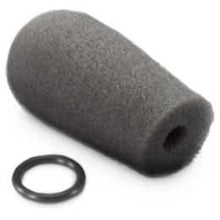
Bose Aviation X & A20 Genuine Mic Windscreen Replacement
Regular price $11.99Sale price $11.99 Regular priceUnit price per$20.00 -
 Vendor:David Clark
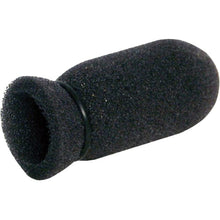
David Clark M-7 Wind Screen: Reduces Wind and Ambient Cockpit Noise 40062G-02
Regular price $5.95Sale price $5.95 Regular priceUnit price per$4.90 -
Fresh from The Hangar
The latest from top aviation brands. -
 NewVendor:PilotMall.com
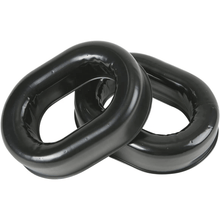
David Clark Replacement Gel Ear Seals (Aftermarket)
Regular price $14.99Sale price $14.99 Regular priceUnit price per -
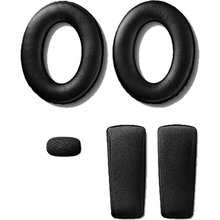 SaleVendor:Bose
Bose A30 Aviation Headset Service Kit
Regular price $49.95Sale price $49.95 Regular priceUnit price per$59.95 -
 SaleNewVendor:David Clark
David Clark Leatherette Ear Seals for DC ONE-X and XP Series 15976P-07
Regular price $48.99Sale price $48.99 Regular priceUnit price per$51.80 -
 NewVendor:David Clark
David Clark Dura-Stitched Leatherette Ear Seals for DC PRO Series 15976P-03
Regular price $33.99Sale price $33.99 Regular priceUnit price per$34.05 -
 NewVendor:David Clark
David Clark Deluxe Headpad Assembly Replacement 18900G-45
Regular price $40.45Sale price $40.45 Regular priceUnit price per -
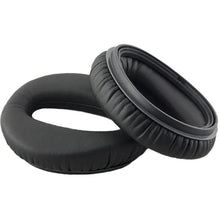 SaleNewVendor:Lightspeed
Lightspeed Performance Replacement Ear Seals
Regular price $38.00Sale price $38.00 Regular priceUnit price per$40.00 -
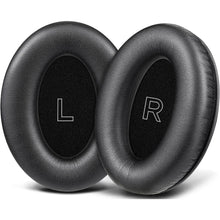 Vendor:PilotMall.com
Bose A30 Replacement Ear Seals (Aftermarket)
Regular price $14.99Sale price $14.99 Regular priceUnit price per -
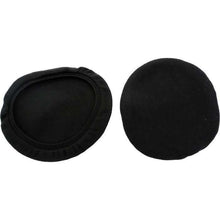 SaleVendor:David Clark
David Clark Comfort Covers: Washable Moisture-Absorbing Ear Seals 22658G-01
Regular price $10.95Sale price $10.95 Regular priceUnit price per$11.10 -
 SaleNewVendor:Telex
Telex Clothing Clip for Airman 7, 8, 7P, and 8P Headsets AIRMAN7-0904
Regular price $8.49Sale price $8.49 Regular priceUnit price per$9.00 -
 NewVendor:Telex
Telex Replacement Ear Cushions Leatherette for Airman 7P and 8P (Pair) AIRMAN8P-0903
Regular price $31.99Sale price $31.99 Regular priceUnit price per$32.00 -
 NewVendor:Telex
Telex Airman 7P/8/8P Replacement Headband Cushion and Holder AIRMAN8P-0911
Regular price $20.99Sale price $20.99 Regular priceUnit price per$21.00 -
 NewVendor:David Clark
David Clark Replacement Headpad for DC PRO and DC ONE Series 15977P-04
Regular price $17.15Sale price $17.15 Regular priceUnit price per -
 SaleNewVendor:Telex
Telex Disposable Hygiene Ear Cushion Covers for Airman 8+ (10 Pack) AIRMAN8P-0910
Regular price $34.49Sale price $34.49 Regular priceUnit price per$35.30 -
 NewVendor:David Clark
David Clark M-1/DC Microphone Protector Windscreen 18434G-02
Regular price $5.95Sale price $5.95 Regular priceUnit price per -
 SaleVendor:Telex
Telex Gray Microphone Windscreen for Airman 7/8/8P/850 Series 800456019
Regular price $11.99Sale price $11.99 Regular priceUnit price per$12.90 -
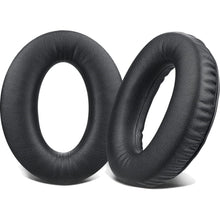 Vendor:PilotMall.com
Bose A20 Replacement Ear Seals (Aftermarket)
Regular price $14.99Sale price $14.99 Regular priceUnit price per


Keep your aviation headset performing like new
Headset comfort and noise reduction live and die by the parts that wear out: ear seals, head pads, and microphone windscreens. As foam compresses and leatherette cracks, the acoustic seal around your ears loosens, ambient cockpit noise leaks in, and your active noise reduction has to work harder. Refreshing those wear parts is the cheapest way to make a headset you already own feel and sound like a new one. This collection covers the common replacement and hygiene parts for the four major headset brands.
Compare the most common replacement parts
| Part | Fits | Best for |
|---|---|---|
| Gel ear seals (David Clark) | David Clark H10 and similar models | Maximum long-flight comfort and a tight seal |
| Leatherette ear seals (DC ONE-X / XP) | David Clark DC ONE-X and XP series | Lighter, lower-cost refresh of an ANR headset |
| Bose A30 ear seals (aftermarket) | Bose A30 | Restoring comfort and noise reduction on a Bose A30 |
| Lightspeed ear seals | Lightspeed Zulu, Sierra, Tango, PFX | Refreshing a Lightspeed ANR headset |
| Deluxe head pad assembly | David Clark headsets | Relieving crown pressure from a worn headband |
| Bose mic windscreen (genuine) | Bose Aviation X and A20 | Cutting wind and breath noise for clearer comms |
| Bose A30 Service Kit | Bose A30 | A complete one-box refresh of all wear parts |
Types of headset parts and accessories
Ear seals
Ear seals are the single most important comfort and acoustic part of a headset. Foam and leatherette seals are light and inexpensive, while gel seals distribute clamping pressure more evenly for the most comfort on long days. A fresh seal re-establishes the tight contact that both passive and active noise reduction rely on, which is why new seals often feel like a new headset.
Head pads
The headband pad cushions the crown of your head and is easy to overlook until it thins or cracks. Replacing it removes a common source of hot spots and pressure on long flights, and on David Clark models it is a quick, tool-light swap.
Microphone windscreens and muffs
A windscreen, sometimes called a mic muff, slips over the boom microphone to block wind, breath pops, and ambient cockpit noise so your transmissions stay clear. They are inexpensive and wear out quickly, so they are an easy part to keep on hand.
Hygiene covers and service kits
Washable comfort covers and disposable hygiene covers keep ear seals clean and dry, which matters most for flight schools, clubs, and any headset shared between pilots. Service kits, like the Bose A30 Service Kit, bundle the common wear parts so you can refresh a headset completely in one purchase.
Shop parts by headset brand
- David Clark: gel and leatherette ear seals, deluxe and PRO/ONE series head pads, comfort covers, and M-1 and M-7 mic windscreens for the full David Clark lineup.
- Bose: the genuine A30 Service Kit and Bose mic windscreen, plus quality aftermarket ear seals for the A30 and A20.
- Lightspeed: replacement ear seals that fit the Zulu, Sierra, Tango, and PFX models.
- Telex: leatherette ear cushions, a replacement headband cushion, disposable hygiene covers, a clothing clip, and a gray mic windscreen for the Airman 7, 8, and 850 series.
How to choose the right parts
Start with your headset's exact brand and model, since seals and pads are model-specific and a near-miss fit will not seal properly. Decide between genuine and aftermarket: genuine parts match factory specs exactly, while quality aftermarket seals often cost less and fit popular models well. Then choose your seal material. Pick gel for the most comfort on long days, or foam and leatherette for a lighter, lower-cost refresh. If your headset needs more than seals, a service kit bundles the wear parts together. If you fly a shared or fleet headset, add washable or disposable covers to keep it sanitary between users. For cables, panels, and cockpit audio, see aircraft intercoms, and for a full range of boom protectors browse windscreens.
Why buy from Pilot Mall
- Aviation only: we sell pilot gear and nothing else, so our team knows which seal, pad, or windscreen fits your headset.
- Genuine and aftermarket options: choose factory parts or quality aftermarket alternatives for popular models.
- Trusted for 25-plus years: thousands of pilots rely on Pilot Mall for headsets and cockpit equipment.
- Free U.S. shipping over $100: stock up on seals, pads, and windscreens in one order.
- Expert guidance: talk to people who fly before you buy.
Frequently Asked Questions
How often should you replace aviation headset ear seals?
Most pilots replace ear seals every six months if they fly nearly every day, and every twelve to eighteen months for occasional flying. Replace them sooner if the foam feels flat, the leatherette cracks, or noise reduction drops, since a worn seal lets cockpit noise leak past your ears.
How do you clean a pilot headset?
Wipe the ear seals and headband with a cloth dampened in mild soap and water, or use an alcohol wipe, then let everything dry fully before the next flight. Avoid soaking the seals or getting moisture into the microphone, and use disposable or washable covers on shared headsets.
Are aftermarket ear seals as good as OEM?
Quality aftermarket seals fit popular headsets well and often cost less than factory parts, making them a sensible choice for budget-conscious pilots. Genuine OEM seals match the manufacturer's exact specifications and materials, which some pilots prefer for a precise fit and consistent feel.
What is the difference between foam and gel ear seals?
Foam seals are light, inexpensive, and easy to replace, but they compress over time and can warm up on long flights. Gel seals cost more and weigh slightly more, yet they spread clamping pressure evenly and stay cooler, which many pilots find far more comfortable on long days.
Can you replace Bose A30 ear seals yourself?
Yes. Bose A30 ear seals are designed to be swapped by the owner without tools, and a Bose A30 Service Kit bundles the common wear parts for a complete refresh. Worn seals are a frequent cause of reduced comfort and noise reduction, so a fresh set restores both quickly.
Why are flight school headsets cleaned between users?
Shared training headsets pass between many students and instructors, so cleaning the ear seals and adding disposable or washable covers limits the spread of dirt, oils, and germs. Regular cleaning also extends seal life and keeps a fleet of rental headsets comfortable and presentable.
