




-
 SaleVendor:Garmin
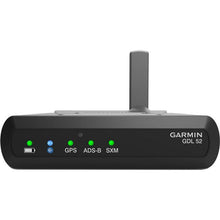
Garmin GDL 52 Portable SiriusXM AHRS ADS-B Receiver: All-in-One Aviation Receiver
Regular price $1,360.00Sale price $1,360.00 Regular priceUnit price per$1,425.00 -
 SaleVendor:Garmin
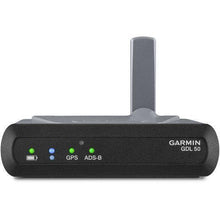
Garmin GDL Series Portable Receivers: ADS-B and SiriusXM Weather & Traffic
Regular price From $850.00Sale price From $850.00 Regular priceUnit price per$900.00 -

Fresh from The Hangar
The latest from top aviation brands. -
 Vendor:Appareo
Appareo Stratus 4 Portable ADS-B Receiver with Color Touch Screen and Replaceable Battery
Regular price $849.00Sale price $849.00 Regular priceUnit price per -
SaleVendor:Garmin
Garmin GDL 50 Portable ADS-B Datalink Receiver 010-01561-00
Regular price $850.00Sale price $850.00 Regular priceUnit price per$900.00 -
 NewVendor:Garmin
Garmin inReach Mini 3 Plus Compact SOS Satellite Communicator with Photo & Voice Messaging
Regular price $499.00Sale price $499.00 Regular priceUnit price per -
 Vendor:Garmin
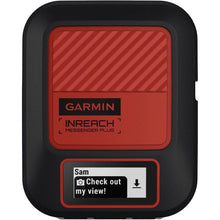
Garmin inReach Messenger Plus: Satellite Communicator with SOS and Tracking 010-02887-00
Regular price $499.99Sale price $499.99 Regular priceUnit price per -
 NewVendor:uAvionix
uAvionix AV-30-E Experimental 3-Inch Digital Multi-Function Display UAX-90051-01
Regular price $1,849.00Sale price $1,849.00 Regular priceUnit price per -
 NewVendor:uAvionix
uAvionix AV-30-C Certified 3-Inch Digital Multi-Function Display (MFD)
Regular price $2,499.00Sale price $2,499.00 Regular priceUnit price per -
 NewVendor:uAvionix
uAvionix AV-20-E Experimental Multi-Function Display UAX-90062
Regular price $895.00Sale price $895.00 Regular priceUnit price per -
 NewVendor:uAvionix
uAvionix skySensor TSO-Certified ADS-B In Wingtip Sensor UAX-90098-01
Regular price $750.00Sale price $750.00 Regular priceUnit price per -
 NewVendor:uAvionix
uAvionix tailBeacon TSO ADS-B Out Rear LED Position Light with WAAS GPS UAX-90036-01
Regular price $2,199.00Sale price $2,199.00 Regular priceUnit price per -
 NewVendor:uAvionix
uAvionix skyBeacon ADS-B Out Wingtip LED Nav Light with WAAS GPS UAX-90032-01
Regular price $2,199.00Sale price $2,199.00 Regular priceUnit price per -
 NewVendor:uAvionix
uAvionix tailBeaconX TSO ADS-B Out Transponder with WAAS GPS UAX-90059-03
Regular price $2,499.00Sale price $2,499.00 Regular priceUnit price per


Subscription-free ADS-B weather and traffic, plus SiriusXM, for your EFB
ADS-B In is the simplest way to put live traffic and weather on your iPad or panel without a recurring fee. A portable receiver pulls FIS-B weather and ADS-B traffic straight off the FAA's nationwide ground-station network and feeds it to ForeFlight, Garmin Pilot, or another electronic flight bag (EFB) app over Wi-Fi. The weather is free because it rides the FAA's own broadcast. SiriusXM aviation weather is the paid alternative for pilots who fly remote or low-level routes where ground reception thins out, delivering satellite radar at any altitude. Pilot Mall carries portable receivers from Appareo and Garmin, the SiriusXM-capable Garmin GDL 52, satellite communicators for backcountry messaging, and the certified uAvionix hardware for a permanent panel install.
Compare ADS-B and weather receivers at a glance
| Model | Type | Best for | Key features |
|---|---|---|---|
| Appareo Stratus 4 | Portable ADS-B In | Subscription-free traffic and weather on a tablet EFB | Dual-band, color touch status screen, replaceable battery |
| Garmin GDL 50 | Portable ADS-B In | Garmin Pilot and ForeFlight users who want a compact box | Dual-band ADS-B, GPS, Wi-Fi to EFB |
| Garmin GDL 52 | Portable ADS-B In and SiriusXM | One device for nav, traffic, and any-altitude weather | ADS-B plus SiriusXM, AHRS, GPS |
| Garmin GDL Series | Portable receiver lineup | Comparing the Garmin GDL options side by side | GDL 50 ADS-B and GDL 52 all-in-one variants |
| Garmin inReach Mini 3 Plus | Satellite communicator | Two-way messaging and SOS beyond cell and ADS-B coverage | Iridium messaging, photo and voice, emergency SOS |
| uAvionix tailBeacon | Certified ADS-B Out (panel install) | Permanent rule-airspace compliance built into the airframe | TSO, WAAS GPS, LED position light |
Click any product for current pricing.
Types of ADS-B and weather solutions
Portable ADS-B In receivers
Portable receivers are plug-and-play: charge them, set them on the glareshield or strap them to a window, and connect over Wi-Fi to your EFB. They add traffic and subscription-free FIS-B weather without an avionics shop or an annual download. The dual-band Appareo Stratus 4 pairs a color status screen with a replaceable battery, while the Garmin GDL 50 drives Garmin Pilot and ForeFlight from a compact case. Browse the wider portable lineup in aviation GPS and navigation.
SiriusXM aviation weather receivers
SiriusXM weather is satellite-delivered, so it works at any altitude and on the ground, with higher-resolution radar that reaches well beyond the roughly 200-nautical-mile range of a single FIS-B ground station. It requires a paid subscription. The Garmin GDL 52 combines SiriusXM with ADS-B, GPS, and AHRS in one portable box, so you carry a single device for nav, traffic, and weather. Compare the full Garmin range in Garmin portable.
Satellite communicators for backcountry flying
Satellite communicators are not weather receivers. They are two-way messaging and emergency-SOS devices for the places ADS-B and cell coverage do not reach. The Garmin inReach Mini 3 Plus lets you message family or dispatch and trigger an SOS over satellite, which is why backcountry and bush pilots carry one alongside an ADS-B receiver rather than instead of one.
Certified ADS-B Out and panel hardware
If you want compliance and data built into the airframe instead of a portable box, the certified panel side handles it. The TSO-certified uAvionix tailBeacon and skyBeacon deliver ADS-B Out through a replacement nav or position light, the tailBeaconX is a TSO transponder, and the skySensor is certified installed ADS-B In. The AV-30-C is a certified retrofit multi-function display; the experimental AV-30-E serves the experimental and homebuilt fleet.
Top ADS-B and weather brands at Pilot Mall
Appareo
Appareo builds the Stratus line of portable ADS-B In receivers. The current Stratus 4 is a dual-band, subscription-free traffic and weather receiver with a color status screen and a user-replaceable battery, a feature that matters because battery wear is the number-one long-term failure point on any portable receiver.
Garmin
Garmin makes the GDL portable receiver family, from the ADS-B-only GDL 50 to the SiriusXM-capable GDL 52 with built-in AHRS. See the two compared in the Garmin GDL series overview, and find the full Garmin portable navigation range in Garmin portable.
uAvionix
uAvionix specializes in the certified and experimental panel-install side, including the tailBeacon and skyBeacon ADS-B Out light replacements, the tailBeaconX transponder, the skySensor installed ADS-B In, and the AV-30 multi-function display in certified and experimental versions.
How to choose the right ADS-B or weather receiver
- Portable or panel: A portable receiver is the fastest, lowest-effort way to add ADS-B In traffic and weather. A certified install like the uAvionix tailBeacon is for permanent ADS-B Out and built-in data.
- Free ADS-B or paid SiriusXM: Choose subscription-free FIS-B for most domestic flying, or add SiriusXM with the Garmin GDL 52 if you need radar at any altitude on remote or low-level routes.
- Dual-band reception: Pick a dual-band receiver that listens on both 978 MHz UAT and 1090 MHz ES so you see all surrounding traffic, not just half of it.
- EFB compatibility: Confirm the receiver is supported by your app, whether that is ForeFlight, Garmin Pilot, or another EFB, before you buy.
- Battery and AHRS: A replaceable battery extends the life of a portable unit, and built-in AHRS adds a backup attitude reference on your tablet if the panel fails.
For a deeper walkthrough, read our GPS and ADS-B portable buyer's guide, then compare the wider aviation GPS and navigation lineup, the handheld radios and GPS hub, and the cockpit supplies that round out an EFB setup.
Why buy from Pilot Mall
- Aviation-only focus: we sell pilot gear and nothing else, so every receiver is chosen for the cockpit.
- Trusted for more than 25 years by student, recreational, and professional pilots.
- Authorized dealer with genuine products and full manufacturer warranties.
- Free U.S. shipping over $100.
- Expert guidance from a team that flies and knows the products.
Frequently Asked Questions
Do ADS-B receivers require a subscription, and is ADS-B weather free?
ADS-B In weather and traffic are subscription-free. A portable ADS-B receiver pulls FIS-B weather and traffic directly off the FAA's nationwide ground-station network, which the FAA broadcasts at no charge. You buy the receiver once and pay nothing recurring, unlike SiriusXM aviation weather, which needs a paid subscription.
Do you need ADS-B Out to receive ADS-B weather and traffic?
No. You do not need ADS-B Out to receive ADS-B In weather and traffic. A portable receiver listens to the FAA broadcast and works on its own. ADS-B Out, which transmits your position, is the separate rule-airspace mandate handled by a certified panel install such as the uAvionix tailBeacon.
What is the difference between ADS-B In and ADS-B Out?
ADS-B In receives data, bringing free traffic and FIS-B weather to your EFB, and it is optional. ADS-B Out transmits your aircraft's GPS position to ATC and other aircraft, and it is the regulatory requirement for flying in most controlled airspace. A portable receiver gives you In; a certified installation provides Out.
Can you get weather on 1090 MHz, or only on 978 MHz?
FIS-B weather is broadcast only on 978 MHz UAT, not on 1090 MHz ES. A dual-band receiver listens on both 978 and 1090, so it gets the free weather and sees all traffic. A 1090-only receiver still shows traffic on that band but misses 978 UAT targets and receives no ADS-B weather.
What is the difference between ADS-B weather and SiriusXM aviation weather?
ADS-B FIS-B weather is free but line-of-sight, so reception can drop at low altitude, on the ground, or near terrain, and a single ground station reaches roughly 200 nautical miles. SiriusXM is satellite-delivered, works at any altitude, and offers higher-resolution radar at greater range, but requires a paid subscription.
What is dual-band ADS-B and why does it matter for seeing all traffic?
Dual-band ADS-B means the receiver listens on both 978 MHz UAT and 1090 MHz ES, the two frequencies U.S. aircraft transmit on. Because traffic is split across both bands, a dual-band receiver shows you every nearby aircraft, while a single-band 1090 unit misses 978 UAT targets and gets no FIS-B weather.
