




-
 SaleVendor:Moldex
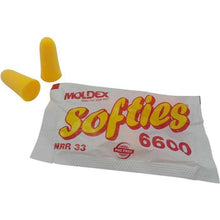
Moldex Softies Disposable Ear Plugs for Ultimate Noise Reduction
Regular price From $0.49Sale price From $0.49 Regular priceUnit price per$0.49 -
 Vendor:4Paws
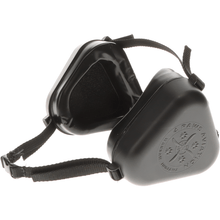
4Paws Aviation Dog Ear Muffs - Superior Noise Reduction & Comfort
Regular price $75.00Sale price $75.00 Regular priceUnit price per
Aviation hearing protection, without overspending on what you do not need
Hearing loss is one of the few cockpit hazards that builds silently over years rather than showing up on a single flight. Researchers estimate that roughly one in four pilots reports some degree of noise-induced hearing loss, and piston and small-cabin cockpits routinely sit in the 80 to 100-plus decibel range that does the damage. Pilots solve this with a communications headset, but passengers, ground crew, and mechanics often need simple, effective protection rather than a radio. That is exactly what this collection is built around: the plain hearing protection that covers the people and the moments a headset does not.
What is in this collection
| Product | Who it is for | Best use |
|---|---|---|
| Moldex Softies foam ear plugs | Passengers, ground crew, mechanics, and pilots wanting a backup layer | Quiet, high-attenuation protection where radio comms are not needed |
| 4Paws aviation dog ear muffs | Dogs riding in a noisy cabin | Canine hearing protection for flying with your dog |
The case for foam ear plugs
The Moldex Softies foam plug is the anchor of this collection and the one most pilots actually reach for. Soft polyurethane foam compresses for insertion, then expands to seal the ear canal, and quality aviation-grade foam plugs carry noise reduction ratings as high as the low 30s in decibels, near the top of what any passive plug can deliver. Foam also attenuates more than silicone, which makes it the practical pick for the cockpit. Keep a pair in a seat pocket for non-communicating passengers, hand them to a friend taking their first flight, or stash them in your kit for the ramp and the run-up, where a headset is not always on your head.
Plugs, headsets, or both
Ear plugs and a communications headset are not really competitors; they cover different jobs. A headset protects your hearing and lets you hear the radio and intercom, which is non-negotiable for the pilot flying. Foam plugs protect hearing only, so they suit anyone who does not need to talk: passengers, observers, and ground crew. The two also stack. Worn under a headset or earmuff, foam plugs add roughly five decibels over the higher of the two ratings, a worthwhile margin on a long, loud cross-country or in an open or vintage cockpit. If you need to communicate, start with a headset rather than plugs alone; compare our passive headsets and ANR headsets to find the right fit.
Flying with your dog
Dogs hear a far wider range of frequencies than people do, so a cabin that is merely loud to you can be genuinely stressful for a canine passenger. The 4Paws aviation dog ear muffs are purpose-made canine hearing protection that cushion the noise of a small cabin and help an anxious dog settle on a flight. They are pet gear, not pilot earmuffs, and they sit in this collection only to round out hearing protection for everyone, and everything, in the airplane.
Why buy from Pilot Mall
- Aviation only: we sell pilot gear and nothing else, so these picks are chosen for the cockpit, not a job site.
- Honest guidance: we will tell you when a few foam plugs are plenty and when you genuinely need a communications headset instead.
- Trusted for 25-plus years: thousands of pilots rely on Pilot Mall for headsets, hearing protection, and cockpit gear.
- Free U.S. shipping over $100: add a headset or stock up the rest of your flight bag and ship for free.
- Expert help: talk to people who fly before you buy.
Frequently Asked Questions
Do pilots wear ear plugs under their headset?
Some do, especially in louder piston, open, or vintage cockpits or on long cross-country flights. Foam plugs worn under a headset add protection and reduce fatigue, but they also muffle the radio, so pilots flying solo usually rely on the headset alone and reserve doubling up for passengers or extreme noise.
What is a good NRR for aviation hearing protection?
For foam ear plugs, look for a noise reduction rating in the high 20s to low 30s in decibels, near the top of what passive plugs achieve. That is plenty for passengers and ground crew. Pilots who need to hear the radio should choose a communications headset rather than judging protection by NRR alone.
Are foam ear plugs or earmuffs better for cockpit noise?
For non-communicating passengers and ground crew, well-fitted foam plugs usually attenuate more than earmuffs and pack smaller. For the pilot flying, neither beats a communications headset, which protects hearing while letting you hear the radio and intercom. Many pilots combine plugs under a headset for the loudest aircraft.
Can combining ear plugs with a headset increase noise reduction?
Yes, but not by simply adding the two ratings together. Wearing foam plugs under a headset or earmuff typically adds about five decibels over the higher of the two ratings. It is a real, useful gain for long or especially loud flights, though it does reduce how clearly you hear radio and intercom audio.
How loud is a piston aircraft cockpit?
Cockpit noise in a typical piston single or twin commonly runs from about 80 to over 100 decibels, depending on the aircraft, power setting, and whether a door or window is open. That range causes cumulative, permanent hearing damage with repeated exposure, which is why hearing protection on every flight matters.
Do passengers need hearing protection in small aircraft?
Yes. Passengers are exposed to the same cockpit noise as the pilot, and most ride without a headset. A pair of foam ear plugs is an inexpensive way to protect a passenger's hearing and make the flight more comfortable, and it is smart to keep a few spare pairs in a seat pocket for guests.
